Homewell Insurance
Does My Personal Auto Insurance Cover Me If I Drive for DoorDash or Uber Eats?
TL;DR: Usually not. Standard personal auto policies exclude commercial use, which includes delivering food for pay, so a claim filed during a DoorDash or Uber Eats trip can be denied. A rideshare or delivery endorsement, or a commercial auto policy, closes that gap — platform-provided coverage alone is typically contingent and limited.
Gig delivery work has become a routine way to earn extra income, and it is easy to assume your existing auto policy simply follows you from the driveway to the restaurant. It usually does not. Personal policies are built for commuting and errands, not paid deliveries.
Homewell Insurance helps drivers understand where personal coverage ends and business coverage begins, because the difference decides who pays after an accident.
Why doesn't my personal auto policy cover delivery driving?
Personal auto policies are priced for personal driving and typically exclude using your car to carry people or goods for a fee. Because paid delivery raises both mileage and risk, insurers treat it as commercial or business use, and a claim filed while you were working can be reduced or denied.
- Most policies contain a "business or commercial use" exclusion.
- Paid delivery counts as for-hire activity even in your own car.
- Higher annual mileage and frequent stops increase accident frequency.
- Undisclosed gig work can lead to a denied claim or a cancelled policy.
The deciding factor is not the app; it is whether you were driving for compensation. Insurers draw the line at for-hire activity, and food delivery qualifies even though you are carrying meals rather than passengers. If you never disclosed gig work, expect pointed questions after any claim.
Gaps also appear mid-trip. Many personal policies stop covering you once you accept an order and resume only when you are not logged in. The stretch between restaurant and customer is both the highest-risk moment and the point where a standard policy is least likely to respond.
Does DoorDash or Uber Eats provide insurance while I'm delivering?
Yes, but only in a limited, secondary way. Delivery platforms generally carry commercial auto coverage that applies during an active delivery, but it usually responds after your own insurance and may be capped, restricted to specific trip windows, or paired with strict reporting requirements.
- Active-delivery window only, roughly from order acceptance to drop-off.
- Contingent: it responds after your personal policy is exhausted.
- Limits and included coverages vary by platform and by state.
- Logged-in but idle time is often uncovered.
- Your own injuries and vehicle damage may be excluded.
Timing rules matter more than headlines. Platform coverage typically begins when you accept an order and ends when it is completed, so periods spent waiting while logged in can sit in a grey area. Check the current terms for your app and your state.
Even when it applies, that coverage is designed to protect the platform and third parties. Damage to your own vehicle, lost income, and your medical bills may fall outside it. Many drivers therefore treat platform coverage as a backstop, not a replacement for their own policy.
Automotive & Transportation
Automotive & Transportation
Protect your fleet. Keep deliveries on time. Stay in control of risk.
Explore Automotive & Transportation Coverage
How do I get proper coverage for driving for DoorDash or Uber Eats?
Ask your insurer whether it offers a rideshare or delivery endorsement that extends your personal policy to gig work for an added premium. If it does not, a commercial auto policy for business use is the dependable alternative. Never assume your current policy will respond.
| Coverage option | What it typically covers | Main trade-off |
|---|---|---|
| Personal policy as-is | Personal driving only | Likely excludes paid delivery entirely |
| Rideshare or delivery endorsement | Extends personal policy to gig trips | Extra premium; not offered by every insurer |
| Commercial auto policy | Business use broadly, including delivery | Highest cost, broadest protection |
| Platform coverage | Active delivery window, third-party claims | Contingent and limited; gaps between orders |
Endorsements are usually the cheapest route because they build on coverage you already have, but not every insurer offers one, and some exclude food delivery specifically. Ask for written confirmation that the endorsement covers delivery of goods, not just transporting passengers.
Pricing depends on mileage, territory, driving record, and vehicle, so quotes differ widely. Whichever option you choose, keep documentation: your endorsement page, declarations, and the platform's certificate of insurance. After an accident, that paperwork decides whether you are covered.
Does it matter whether I deliver part-time or full-time?
Not to the exclusion itself. A personal policy's business-use exclusion usually turns on whether the trip was made for pay, not on how many hours you work. Delivering one Friday night a month still counts as for-hire use, though insurers may price endorsements differently based on how often you actually drive.
- One paid delivery is enough to trigger the exclusion.
- Some insurers offer lower-cost endorsements for occasional delivery use.
- Full-time drivers are often routed to a commercial policy instead.
- Your annual mileage estimate still affects pricing and eligibility.
Frequency does affect price and product. Some insurers write a delivery endorsement that assumes a few hours a week; others will only accept full-time delivery drivers on a commercial auto policy. Misstating how much you drive is a coverage problem, not just a billing one.
If your work is seasonal — weekends in summer, evenings through the holidays — say so. Underwriters can rate that accurately, and the endorsed policy will respond when a delivery goes wrong. Guessing, or leaving gig work off the application, shifts the risk back onto your household budget.
What actually happens if I crash mid-delivery without the right coverage?
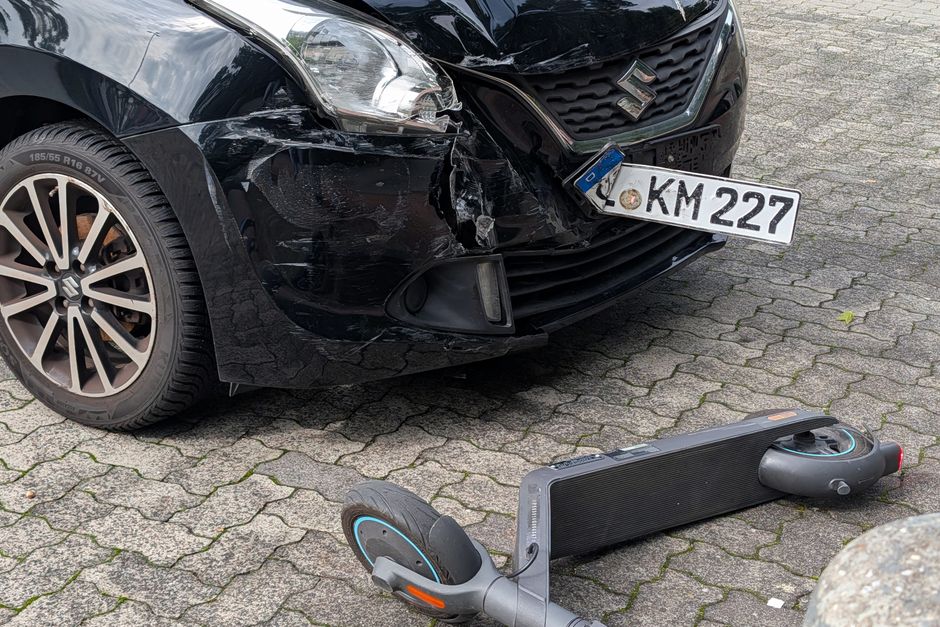
Your insurer investigates, and if the claim arose during a paid delivery, the business-use exclusion may let it deny coverage for damage and liability. You could then owe the other driver's repairs and injuries personally, while your own vehicle damage, medical bills, and lost income go unpaid unless another policy applies.
- Denial can mean paying third-party damages out of pocket.
- Your lender may still expect the loan payments.
- Your own medical bills may fall to health insurance, with limits.
- A denied claim can affect future underwriting with that insurer.
The platform's contingent coverage may step in during the active delivery window, but it typically sits above your own insurance and is capped, so it rarely fills the whole gap. Idle periods logged into the app often have no coverage at all.
Denials rarely stay contained. A lapse in coverage can affect your standing with your insurer at renewal, and a judgment from an at-fault accident can follow your finances for years. Fixing the coverage before an accident is far cheaper than litigating one afterward.
How much does delivery coverage cost, and how do I choose?
Cost depends on your mileage, territory, vehicle, and driving record, so no single figure fits everyone. A rideshare or delivery endorsement usually adds a modest amount to your existing premium, while a commercial auto policy costs considerably more but covers business use without trip-by-trip limits.
- Endorsement: cheapest route, but only where your insurer offers it.
- Commercial policy: broadest protection, highest premium.
- Compare the deductible, not just the monthly price.
- Confirm in writing that food delivery is included.
Run the math against your delivery earnings. If a year of endorsement premium costs less than what a single uncovered at-fault accident would cost your household, the coverage is the cheaper choice. Ask your agent to quote both structures side by side before deciding.
Whichever route you take, get it in writing. Ask for the endorsement language or policy form that names delivery of goods, plus the declarations page showing the endorsement is active. Keep a copy in the car and update your insurer if your hours or platform change.
Key Takeaways
- Personal auto policies generally exclude paid delivery, so a DoorDash or Uber Eats trip can fall outside your coverage.
- Platform insurance is contingent and limited to active delivery windows, and it usually responds after your own policy.
- A rideshare or delivery endorsement extends your personal policy; a commercial auto policy covers business use broadly.
- Part-time or occasional delivery still counts as for-hire use under most personal policies.
- An uncovered at-fault accident can leave you personally liable for third-party damages and your own losses.
- Get written confirmation that your endorsement covers food delivery, and review your options with a licensed agent.
This article reflects general insurance guidance as of September 18, 2026. Policy forms, exclusions, endorsements, and platform coverage terms vary by insurer and by state, and they change over time. Confirm the specifics of your own policy with a licensed agent before you rely on any coverage assumption.
Frequently Asked Questions
Do I need to tell my insurer if I only deliver a few times a month?
Yes. The business-use exclusion turns on whether a trip was made for pay, not how often you drive, so even occasional deliveries can jeopardize a claim. Disclosing the work lets your insurer rate it accurately or offer an endorsement that actually responds after an accident.
Will adding a delivery endorsement raise my premium?
Usually yes, because you are adding business exposure and likely more annual mileage. The increase is typically smaller than moving to a full commercial auto policy, but pricing varies by insurer, state, driving record, and vehicle. Ask for a quote under both structures so you can compare the real numbers.
What if the accident happened while I was logged in but between orders?
That gap is the riskiest window. Platform coverage generally applies only from order acceptance through drop-off, and personal policies exclude for-hire activity. While waiting for the next order, you may have no coverage that clearly responds, which is exactly why an endorsement on your own policy matters.
Can my insurer cancel my policy for undisclosed delivery work?
It can. Misrepresenting how the vehicle is used gives an insurer grounds to deny a claim, non-renew the policy, or cancel it mid-term in some states. If you have already been delivering, tell your agent now and fix the coverage before something happens.
Does an umbrella policy cover me while I'm delivering?
Usually not on its own. Umbrella policies sit above your underlying auto coverage and typically follow its exclusions, so if the auto claim is denied for business use, the umbrella often has nothing to attach to. Some carriers exclude business use entirely. Confirm the wording with a licensed agent before counting on it.
Does my personal policy cover me driving to the restaurant before I accept an order?
Generally yes, if you have not accepted an order and are simply driving for personal reasons. Coverage typically changes once you accept the delivery and begin working for pay. The boundary varies by policy and platform, so check both your policy language and the app's current terms.