Homewell Insurance
How Much Does Business Insurance Cost for a Small Manufacturing Company with a Few Employees?
TL;DR: There is no single price. Most small manufacturers with a few employees pay premiums driven by payroll, revenue, machinery value, and the coverages they choose, typically landing somewhere between the low thousands and low five figures per year. General liability, commercial property, and workers' compensation usually form the core of the bill.
If you run a small manufacturing shop with a handful of employees, your insurance bill depends far more on what you make, what equipment you use, and how you pay your workers than on headcount alone. Two shops with four employees each can receive quotes that differ by thousands of dollars.
Manufacturers also face risks that office-based businesses do not, including machinery breakdown, product liability, and workers' compensation claims tied to physical work. That is why Homewell Insurance builds quotes around each operation's specific exposure rather than applying a generic industry average.
What Factors Determine Business Insurance Costs for a Small Manufacturer?
Cost is driven by your annual payroll, total revenue, the replacement value of machinery and inventory, your claims history, and the specific coverages you buy. Insurers also weigh your location, the products you make, and whether you perform installation, service, or shipping work away from your shop.
- Payroll: the largest rating factor for liability and workers' compensation premiums.
- Revenue and product type: higher sales volume and consumer-facing products increase product liability exposure.
- Equipment and inventory values: set the limit your property policy must cover.
- Claims history: prior losses and OSHA violations raise rates at renewal.
- Operations and location: welding, chemical use, or a coastal address changes pricing.
Payroll is often the single largest rating factor, because workers' compensation and general liability premiums scale with how much you pay employees. A shop with three machinists and a six-figure CNC machine carries a materially different exposure than a shop with three assemblers using hand tools, even though both have the same headcount.
Revenue and product type matter because they set product liability exposure. Manufacturers who sell components into other companies' finished goods, or who ship nationally, generally pay more than shops making items for local customers, since a defect can surface in many more places and trigger more claims.
How Much Does Each Type of Manufacturing Coverage Cost?
Insurers price each coverage differently. General liability is usually rated per $1,000 of payroll or revenue, property per $100 of insured value, and workers' compensation per $100 of payroll by job class. That is why two shops with identical headcounts can receive very different quotes.
| Coverage | How it is typically rated | Main cost drivers |
|---|---|---|
| General liability | Per $1,000 of payroll or revenue | Product type, sales territory, subcontractors |
| Commercial property | Per $100 of insured value | Machinery value, building age, sprinklers, inventory |
| Workers' compensation | Per $100 of payroll by class code | Job duties, claims history, state rates |
| Commercial auto | Per vehicle and driving radius | Fleet size, driver records, hauling distance |
| Equipment breakdown / inland marine | Per equipment or shipment value | Machine age, maintenance, goods in transit |
Because rating bases differ, the only reliable way to estimate your premium is a quote built from your actual payroll records, equipment schedule, and loss runs. Asking a carrier for a generic "manufacturing average" produces a number that rarely matches your operation, and it can leave you underinsured.
Workers' compensation is frequently the largest single line for manufacturers, since machining, welding, and material handling carry higher injury rates than clerical work. Property and equipment breakdown coverage tend to be smaller lines, but they grow quickly as automation and machine values increase.
Manufacturing
Manufacturing
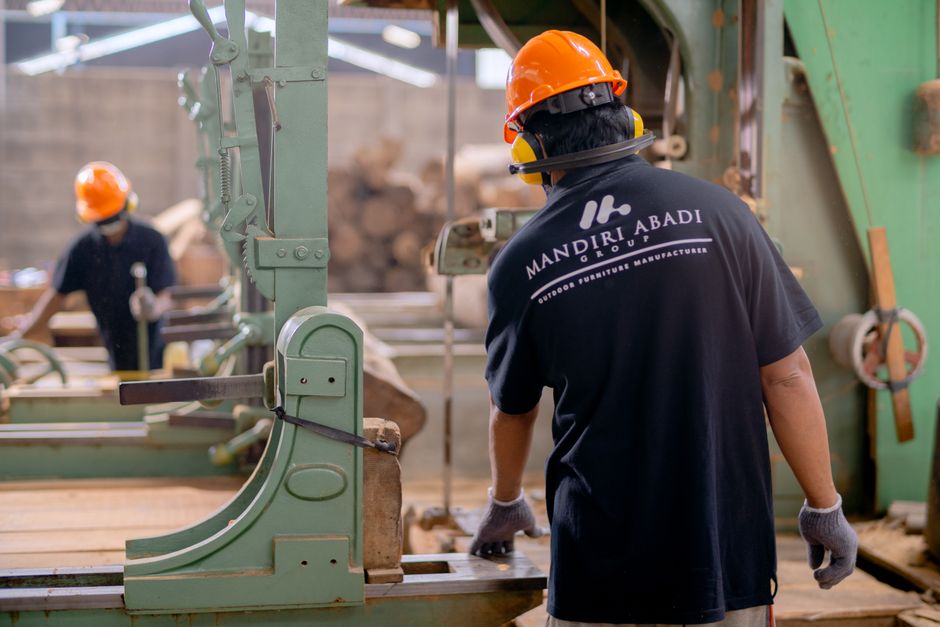
Keep machines running and shipments moving, even when the unexpected happens.
Explore Manufacturing Coverage
How Can a Small Manufacturer Reduce Its Business Insurance Costs?
Reduce cost by raising deductibles, documenting safety programs, shopping multiple carriers at renewal, correcting your workers' compensation class codes, and bundling policies with one insurer. Many carriers also discount for OSHA compliance, machine guarding, employee training, and formal return-to-work programs that shorten claim durations.
- Raise deductibles on property and auto to cut premium in exchange for absorbing smaller losses.
- Verify class codes so you are not paying heavy-fabrication rates for light assembly work.
- Document safety with machine guarding, lockout/tagout, and training records.
- Bundle policies with one carrier to earn multi-policy credits.
- Re-shop at renewal rather than auto-renewing the same policy year after year.
Deductibles are the fastest lever available. Moving from a $500 to a $2,500 property deductible, or accepting a higher workers' compensation deductible where your state permits it, lowers premium immediately, provided your business can absorb a mid-sized loss without strain.
Class code accuracy deserves close attention. If employees are coded for heavy fabrication when they actually perform light assembly or packaging, you may be overpaying. A payroll audit and a corrected class code can reduce workers' compensation premium without cutting any coverage.
Do Small Manufacturers Need Workers' Compensation Coverage for Every Employee?
In nearly every state, workers' compensation is mandatory once you employ even one or two people, and manufacturing job duties rarely qualify for an exemption. Premium is charged per $100 of payroll by class code, so adding a machinist raises your bill more than adding a part-time packer or office assistant.
- Thresholds vary by state: some require coverage at the first employee, others at three or five.
- Owner elections: sole proprietors, partners, and corporate officers may be able to exclude themselves, but never their employees.
- Class codes split payroll: clerical, assembly, and welding hours are rated at different rates on the same policy.
- Subcontractor exposure: carriers can charge premium for uninsured subs, so collect certificates of insurance.
- Annual audit: insurers true up premium after the term based on actual payroll reported.
Officers and owners sometimes qualify for an exclusion election, which removes their payroll from the rating basis and lowers premium immediately. That election also removes their access to medical benefits and wage replacement if they are hurt on the shop floor, so weigh the trade-off carefully before signing it.
If you bring in temporary labor through a staffing agency or pay 1099 contractors, confirm who carries their workers' compensation. Carriers routinely charge premium for uninsured subcontractors at audit, which is why you should collect and file a certificate of insurance from every crew that sets foot in your facility.
Should a Small Manufacturer Bundle Its Policies or Buy Coverage Separately?
Bundling general liability and commercial property into one package usually earns a multi-policy credit, but workers' compensation is almost always written separately because it is a statutory line with its own carrier appetite. Compare a bundled quote against individual quotes before committing, since the cheaper option is not always the packaged one.
- Business owners policies are often limited to low-hazard operations, so many manufacturers need a full commercial package instead.
- Workers' compensation is typically standalone, rated on payroll and class code rather than bundled credits.
- Multi-policy credits are real but modest — usually a percentage discount, not a dramatic price reset.
- Specialty lines such as equipment breakdown and inland marine are often better placed with a specialist carrier.
- Fewer carriers means fewer renewal dates, but it also concentrates your risk with one insurer's appetite.
A bundled package is mainly an administrative convenience plus a small credit. It rarely turns an expensive class code into a cheap one, and the larger savings usually come from finding a carrier that writes your specific manufacturing class at a competitive rate.
One practical caution: keeping every policy with a single carrier means every rate change arrives at once. If that insurer tightens its appetite for your operations or reprices sharply at renewal, you have no independent option in place. Keeping workers' compensation separate preserves at least one lever each year.
How Often Should a Small Manufacturer Review Its Insurance Costs?
Review coverage at least once a year, starting 30 to 60 days before renewal, and again whenever payroll, revenue, machinery, or your product line changes meaningfully. A mid-term endorsement keeps property limits current after a large equipment purchase, while a pre-renewal review lets you re-shop before the carrier's deadline.
- Re-shop annually: start 30 to 60 days out so you have time to compare competing quotes.
- Update after purchases: add new machines to your equipment schedule as you buy them, not at renewal.
- Check exposure bases: payroll, revenue, and square footage all feed your premium calculation.
- Ask about credits: a claim-free year or new safety program may qualify you for discounts.
- Verify certificates: keep current proof of insurance on file for subcontractors and vendors.
Most liability and workers' compensation policies are audited after expiration. The insurer compares actual payroll and revenue to the estimates you submitted, then issues either an additional premium bill or a return. Reporting honestly and reviewing estimates mid-year prevents an unpleasant surprise at audit time.
Property limits are the other common gap. A machine purchased three years ago at a lower price may cost considerably more to replace today, and replacement cost is what your policy should reflect. Adjusting insured values at renewal keeps a settlement in line with what rebuilding or replacing actually costs.
Key Takeaways
- There is no standard price for small manufacturing insurance; premium is built from your payroll, revenue, machinery value, and claims history.
- General liability, commercial property, and workers' compensation form the core coverage most small shops buy.
- Workers' compensation is usually the largest single line and is required in nearly every state once you employ staff.
- Raising deductibles, correcting class codes, and documenting safety programs are the fastest reliable ways to lower premium.
- Bundling earns modest credits, but workers' compensation is often priced better as a standalone policy with a specialist carrier.
- Review and re-shop coverage annually, and update property limits whenever you buy equipment so a loss is fully covered.
This content reflects general insurance guidance as of September 18, 2026. Rating rules, class codes, coverage requirements, and credits vary by state and by carrier, and they change over time. Confirm the specifics of your own operation — payroll, equipment values, and required coverages — with a licensed insurance agent before making decisions about your policies.
Frequently Asked Questions
Do I need workers' compensation coverage if I only have two or three employees?
In most states yes, and thresholds vary — some require coverage at the first employee, others at three or five. Manufacturing duties rarely qualify for exemptions, so plan on carrying a policy once you have staff. Sole proprietors and some corporate officers may be able to elect exclusion, but that removes their own injury benefits.
Why do two small manufacturers with the same number of employees get very different quotes?
Premium is rated on payroll, revenue, machinery and inventory values, product type, location, and claims history — not headcount. A shop running CNC machines and welding carries different class codes and property values than a light assembly operation, so carriers price the two operations very differently even at identical employee counts.
Is a business owners policy enough for a small manufacturing shop?
Often it is not. Business owners policies are commonly limited to lower-hazard operations, and many manufacturers need a full commercial package plus separate workers' compensation, equipment breakdown, and inland marine coverage. An agent can confirm whether your class code qualifies for a BOP or requires a broader commercial policy.
Will my premium change if I hire one more employee mid-year?
Yes, though the impact depends on the role. Because workers' compensation and general liability are rated on payroll, adding a machinist raises premium more than adding a part-time packer or office assistant. Final premium is trued up at the annual audit, so the change typically appears when the policy term is reviewed.
How far in advance should I start shopping for manufacturing insurance?
Start 30 to 60 days before your renewal date. That gives you time to gather updated payroll figures, an equipment schedule, and loss runs, then compare quotes from multiple carriers without pressure. Last-minute shopping usually means accepting your current carrier's renewal offer or a non-renewal notice without alternatives.